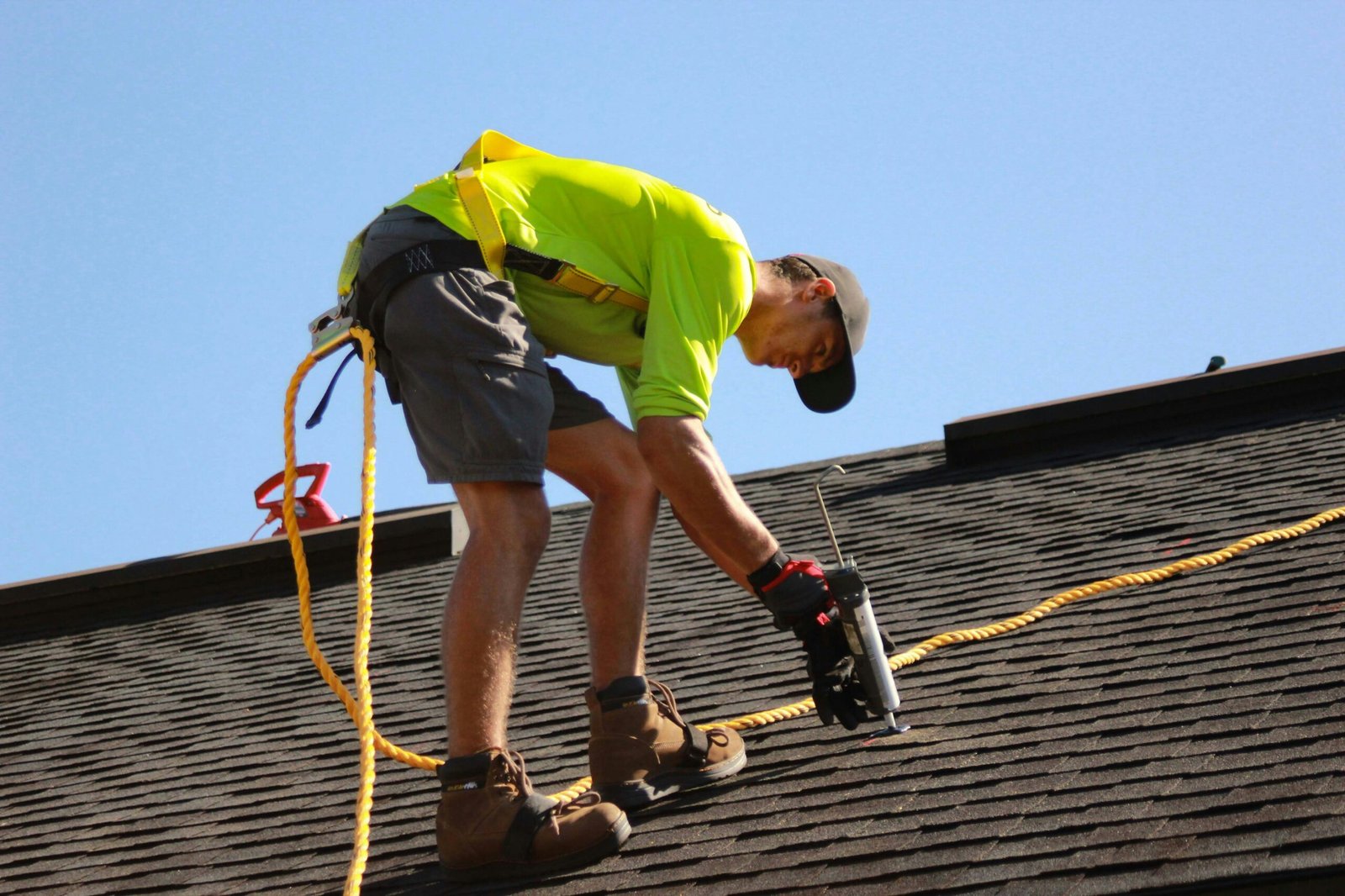
When something goes wrong with a roof, most homeowners hope for one thing: that it can be fixed cheaply and quickly. And sometimes, that’s true. A loose shingle, minor flashing damage, or a small leak can often be repaired without much trouble.
The problem is that many roofing issues live in a gray area. The roof isn’t actively failing, but it’s not exactly healthy either. That’s when homeowners are faced with a frustrating question: Do I repair the roof, or is it time to replace it?
This guide breaks down the real cost differences between roof repair and roof replacement, explains when repairs make sense, when they don’t, and how to avoid spending money twice on the same problem.
Average Cost of Roof Repairs
Roof repairs are usually far less expensive than full replacements, at least upfront.
Typical roof repair costs:
- Minor repairs: $150 – $500
- Moderate repairs: $500 – $1,500
- Major repairs: $1,500 – $3,500
The cost depends on:
- Type of damage
- Roof material
- Accessibility
- Labor rates in your area
Most homeowners can handle small repairs without much financial strain.
Common Roof Repairs and Their Costs
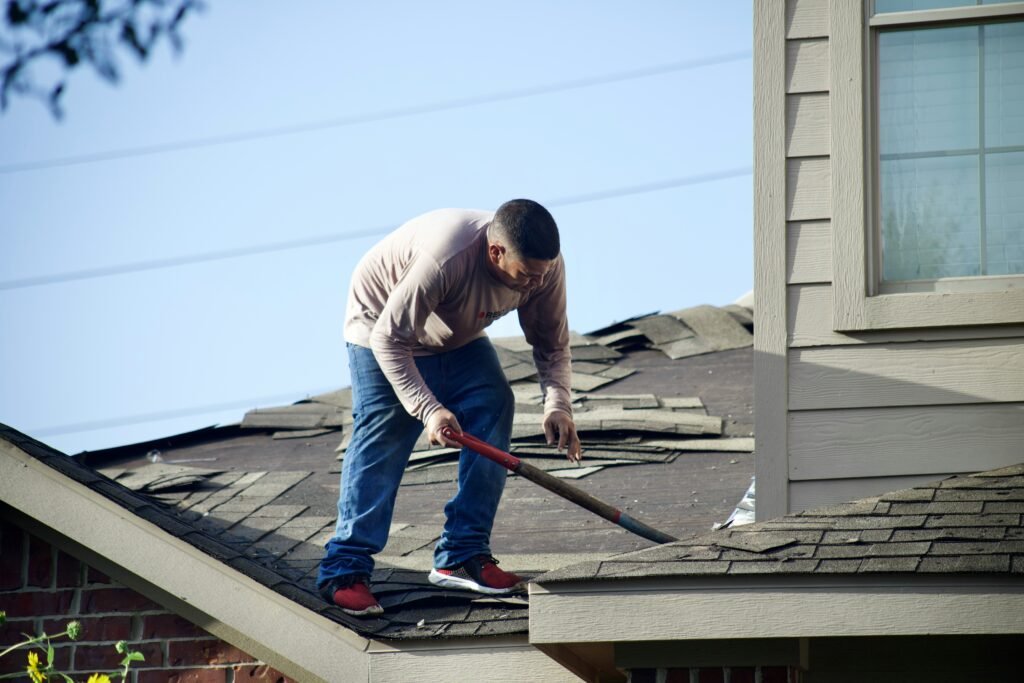
Shingle Replacement
Replacing a few missing or damaged shingles is one of the most common repairs.
- Cost: $150 – $400
- Best for: Localized storm damage
This is usually worthwhile if the roof is otherwise in good condition.
Flashing Repairs
Flashing seals areas around chimneys, vents, and skylights.
- Cost: $200 – $600
- Best for: Small leaks near roof penetrations
Flashing issues can often be repaired without touching the rest of the roof.
Leak Repairs
Leaks vary widely in cost depending on the source.
- Cost: $300 – $1,500
- Best for: Isolated leaks with no structural damage
Recurring leaks often signal a bigger issue.
Vent and Seal Repairs
Roof vents and seals degrade over time.
- Cost: $150 – $500
- Best for: Aging components on otherwise solid roofs
These repairs are common and usually cost-effective.
When Roof Repairs Make Sense
Repairs are usually the better choice when:
- The roof is relatively young
- Damage is limited to one area
- No structural issues are present
- The repair solves the root cause
In these cases, a repair can extend roof life by several years.
Average Cost of Roof Replacement
Roof replacement is a much larger investment.
Typical roof replacement costs:
- $6,000 – $15,000 for most homes
- $15,000 – $25,000+ for large or complex roofs
Replacement costs include:
- Tear-off of old materials
- New underlayment
- New roofing materials
- Labor and disposal
While expensive, replacement resets the roof’s lifespan.
When Roof Replacement Is the Smarter Choice
Replacement usually makes more sense when:
- The roof is near the end of its lifespan
- Damage is widespread
- Repairs are frequent
- Structural issues are present
- Leaks keep returning
At a certain point, repairs become temporary patches rather than solutions.
The Hidden Cost of Repeated Repairs
One of the biggest mistakes homeowners make is focusing only on today’s repair cost instead of the long-term picture.
Example:
- $800 repair this year
- $1,200 repair next year
- $1,500 repair the year after
Over a few years, those repairs can easily exceed the cost of a replacement — without delivering reliability or peace of mind.
Repair vs. Replacement Cost Comparison
| Situation | Typical Cost | Best Choice |
| Few missing shingles | $150–$400 | Repair |
| Flashing leak | $200–$600 | Repair |
| Multiple leaks | $1,500+ | Replace |
| Widespread shingle damage | $3,000+ | Replace |
| Roof past lifespan | $6,000+ | Replace |
This table isn’t absolute, but it shows how quickly repair costs can add up.
Age Matters More Than Most Homeowners Think
Roof age is often the deciding factor.
- Under 10 years old: Repairs usually make sense
- 10–20 years old: Depends on condition
- 20+ years old: Replacement often makes more financial sense
Older roofs are more likely to develop new problems even after repairs.
Structural Damage Changes Everything
If repairs uncover:
- Rotting decking
- Sagging roof sections
- Water-damaged framing
Replacement is usually unavoidable. Structural issues rarely improve with surface-level fixes.
How Insurance Affects the Decision
Insurance may cover:
- Storm-related damage
- Sudden events like fallen trees
Insurance usually does not cover:
- Normal wear and tear
- Aging materials
If insurance is involved, replacement may be more affordable than expected.
How Long Repairs Actually Extend Roof Life
Repairs can extend roof life:
- 1–3 years for older roofs
- 5–10 years for newer roofs
But repairs don’t reset the roof’s age — they only slow deterioration.
Questions to Ask Before Deciding
Before choosing repair or replacement, ask:
- How old is my roof?
- Is the damage isolated or widespread?
- How often have I repaired it before?
- Will this fix last or buy time?
Honest answers usually point clearly in one direction.
Getting a Professional Opinion
A professional inspection can:
- Identify hidden issues
- Estimate remaining lifespan
- Provide repair vs replacement guidance
Many inspections are free and help clarify your options.
Planning Financially for Replacement
If replacement is likely:
- Start budgeting early
- Explore financing options
- Check insurance eligibility
- Schedule during slower seasons
Planning reduces stress and prevents rushed decisions.
Final Thoughts
Roof repair is often the right choice — until it isn’t. The key difference between a smart repair and a costly mistake is understanding whether the fix actually solves the problem.
If repairs are becoming frequent, expensive, or temporary, replacement is usually the more economical and reliable option in the long run. Knowing when to stop repairing and start replacing protects both your home and your budget.