If you’re asking how much it costs to replace a roof, chances are you’re not just casually browsing. Something probably tipped you off — a leak, curling shingles, missing pieces after a storm, or maybe a contractor casually mentioning, “Yeah… this roof is getting close.”
Roof replacement isn’t one of those projects people want to think about, but once it’s on your radar, the cost question becomes unavoidable. And the frustrating part is that answers online often feel vague, overly broad, or wildly optimistic.
This guide is meant to be different.
Instead of throwing out one number and calling it a day, we’ll walk through what roof replacement actually costs, what drives the price up or down, and how to tell whether the quote you’re getting makes sense for your situation.
Average Roof Replacement Cost (What Most Homeowners Pay)
For most homes in the United States, a full roof replacement typically costs between $6,000 and $15,000.
That range exists for a reason. Roofing costs depend heavily on materials, roof size, pitch, location, and the condition of the existing roof underneath.
Here’s a general breakdown:
- Low-end replacements: $5,000 – $7,500
- Mid-range replacements: $8,000 – $12,000
- High-end or complex roofs: $15,000 – $25,000+
A small, single-story home with basic asphalt shingles will land near the lower end. Larger homes, steep roofs, premium materials, or structural repairs push costs higher.
Roof Replacement Cost Per Square Foot
Roofers often price jobs based on “squares,” where one square equals 100 square feet of roofing surface.
On average:
- $4 to $10 per square foot is common for roof replacement
- Premium materials can exceed $15 per square foot
A 2,000-square-foot roof might cost:
- $8,000 on the low end
- $12,000+ with higher-end materials or labor complexity
Keep in mind that roof square footage is not the same as your home’s interior square footage. Roofs often cover more area due to pitch and overhangs.
Roof Replacement Cost by Material
Asphalt Shingles
Asphalt shingles are the most common roofing material in the U.S. for a reason — they’re affordable, durable, and widely available.
- Cost: $4,000 – $9,000
- Lifespan: 15–30 years
They’re usually the most budget-friendly option and offer the fastest installation time.
Metal Roofing
Metal roofs cost more upfront but last significantly longer.
- Cost: $10,000 – $20,000+
- Lifespan: 40–70 years
Metal roofing is popular in areas with heavy snow, high winds, or wildfire risk.
Tile Roofing (Clay or Concrete)
Tile roofs are durable and visually distinctive but require strong structural support.
- Cost: $12,000 – $25,000+
- Lifespan: 50+ years
Labor costs are higher due to weight and installation complexity.
Slate Roofing
Slate is one of the most expensive roofing materials available.
- Cost: $20,000 – $50,000+
- Lifespan: 75–100 years
Slate is often chosen for historic or luxury homes.
Factors That Affect Roof Replacement Costs
Roof Size and Shape
Larger roofs require more materials and labor. Roofs with multiple angles, valleys, or dormers take longer to complete.
Roof Pitch (Steepness)
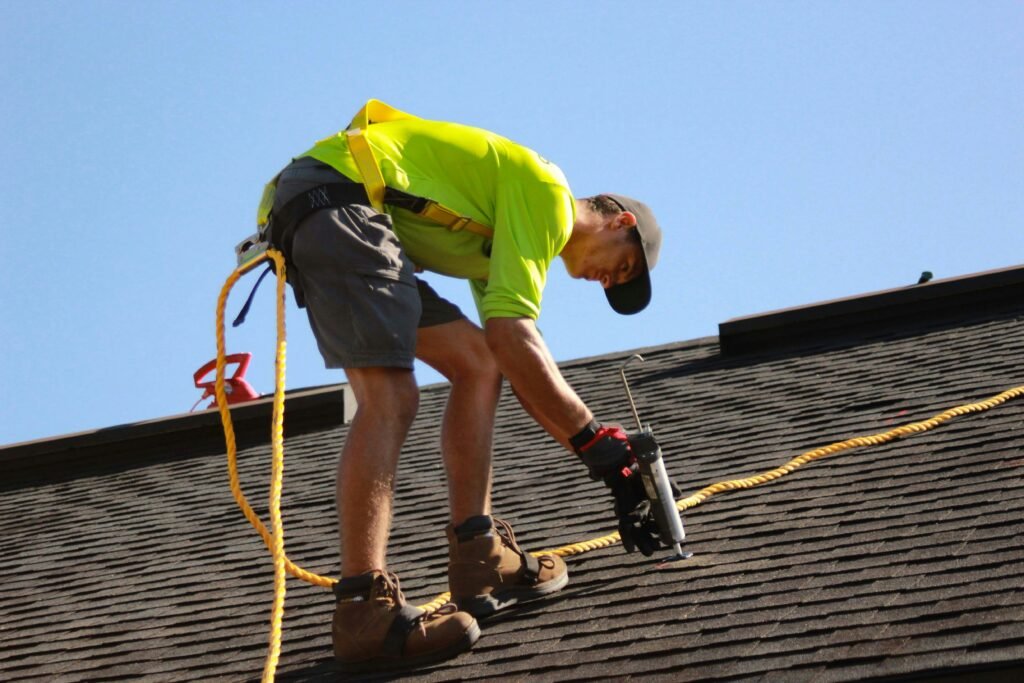
Steep roofs are harder and riskier to work on, increasing labor costs.
Tear-Off vs. Overlay
- Tear-off: Old roof is removed (recommended, but costs more)
- Overlay: New shingles installed over old ones (cheaper, but less durable)
Most professional roofers recommend full tear-offs.
Structural Repairs
If decking, rafters, or flashing are damaged, repairs will increase the final bill.
Location and Labor Rates
Roof replacement costs vary by region due to labor rates, building codes, and demand.
Additional Costs Homeowners Often Overlook
Roof replacement isn’t just shingles.
Extra costs may include:
- Permits: $100 – $500
- Disposal fees: $300 – $600
- Flashing replacement: $200 – $1,000
- Gutters or vents: $300 – $2,000
These add-ons are normal and should be clearly itemized in a quote.
Insurance and Roof Replacement
In some cases, homeowners insurance may cover part or all of the cost, especially after storm damage.
Insurance often covers:
- Wind damage
- Hail damage
- Fallen debris
Insurance usually does not cover normal wear and tear.
If damage is storm-related, documenting issues early can make a significant difference.
DIY Roof Replacement vs. Hiring a Professional
While it’s technically possible to replace a roof yourself, it’s rarely recommended.
DIY Considerations
- Safety risks
- Tools and equipment costs
- No labor warranty
- Potential code violations
Professional Benefits
- Faster installation
- Warranties on labor and materials
- Code compliance
- Reduced risk of leaks or structural issues
For most homeowners, hiring a licensed roofer is worth the added cost.
How to Save Money on Roof Replacement
- Get multiple quotes
- Replace the roof during the off-season
- Avoid unnecessary upgrades
- Ask about financing options
- Address small issues early before full replacement is required
A cheaper roof isn’t always better — but a well-timed replacement can save money long-term.
How Often Should a Roof Be Replaced?
Typical replacement timelines:
- Asphalt shingles: 20–30 years
- Metal roofs: 40–70 years
- Tile roofs: 50+ years
Climate, ventilation, and maintenance all affect lifespan.
Final Thoughts
Roof replacement is one of the biggest maintenance expenses homeowners face, but understanding the cost breakdown makes it far less intimidating.
Most homeowners should expect to spend between $6,000 and $15,000, depending on materials, roof size, and complexity. The key is knowing what you’re paying for — and why.
A clear quote, realistic expectations, and quality installation matter far more than chasing the lowest number.